How One Model Helped Bajaj Beat TVS, Ather, and Ola in October Sales
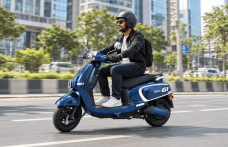
In October 2025, Bajaj Auto pulled off something remarkable — it became India’s top-selling electric scooter brand with just one model, the Chetak. According to Vahan registration data, Bajaj sold around 30,000 Chetak scooters, securing nearly 22% of the total EV two-wheeler market for the month.
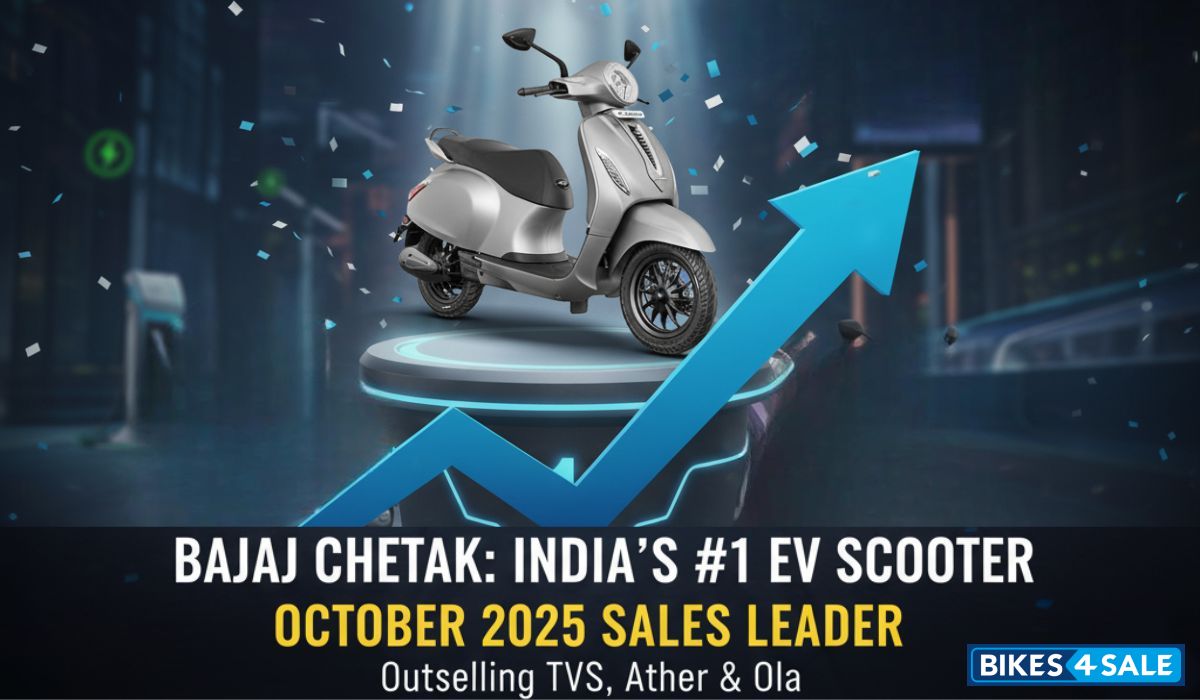
This pushed TVS Motor to second place (≈28,000 units, 20.7% share), followed by Ather Energy (≈26,700 units, 19.6%) and Ola Electric (≈15,500 units, 11.6%). The overall electric two-wheeler (E2W) segment recorded its best-ever month, crossing 1.43 lakh registrations — a sharp 37% jump over September, thanks to the festive season and improved product availability.
Bajaj’s rise is even more striking when you consider that its EV portfolio consists solely of the Chetak. No multiple models, no spin-offs — just one well-executed scooter line that’s managed to outpace multi-model rivals.
Bajaj’s performance was a combination of improved supply, aggressive retail push, and strong consumer trust — all centered around one scooter that hit the sweet spot between design, build, and practicality.
This combination of production stability, timely marketing, and the right product features helped Bajaj capture the market’s attention — and its sales.
While Bajaj celebrated, its competitors had a mixed month.
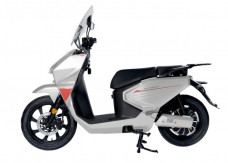
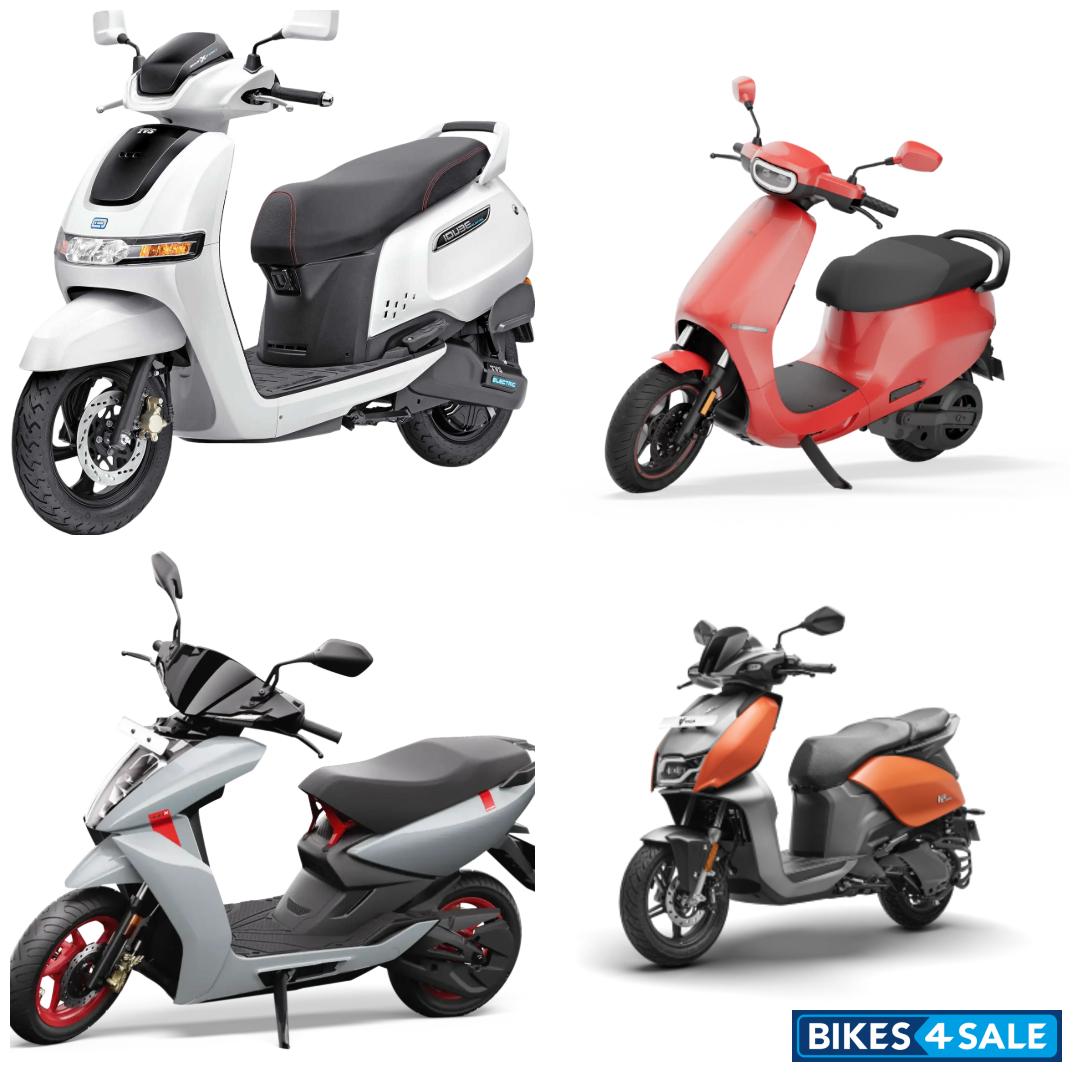
TVS Motor, long a dominant player with its iQube range, slipped to second place. Despite introducing new models and updates, it was still dealing with supply constraints and a slower ramp-up of production capacity. TVS’s 28,000-unit performance was solid, but not enough to keep the top spot.
Ather Energy had a record-breaking month of its own, selling about 26,700 scooters — its highest ever. The strong demand for the Ather 450X and the new Rizta helped push its market share to 19.6%. Still, Bajaj’s volume advantage from its larger dealer base kept Ather in third.
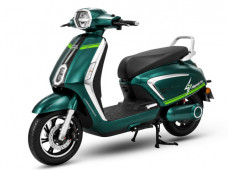
Ola Electric, which had led the EV scooter race for much of 2024, saw its monthly sales drop to around 15,500 units. With newer competition and after-sales service issues cropping up in some cities, Ola’s growth flattened.
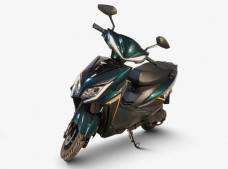
Meanwhile, Hero MotoCorp’s Vida range and Ampere Electric’s models continued to expand, but they remain far behind the top three in both sales and reach.
Bajaj Auto’s climb to the top is a big signal for India’s electric two-wheeler market. It shows that:
• A single, well-engineered product can outperform diversified line-ups.
• Traditional ICE manufacturers can leverage their network and brand legacy to challenge EV-only players.
• Consumers are ready for EVs that offer both build quality and value, not just flashy features.
The Chetak’s metal body, strong range (around 108 km per charge for the Premium variant), and easy ownership experience have positioned it as a dependable electric scooter rather than a niche experiment.
As India’s EV ecosystem matures, Bajaj’s focused strategy could serve as a playbook for other manufacturers — emphasizing consistency, quality, and reliability over rapid diversification.
Bajaj Auto’s October 2025 victory highlights a fundamental truth about India’s EV landscape: success comes not from the number of models, but from how well a brand understands its customers and executes its strategy. The Chetak’s blend of practicality, premium design, and trusted after-sales service helped Bajaj capture both first-time EV buyers and long-time scooter riders transitioning to electric mobility.
If the company can sustain its momentum through the next few quarters — possibly by introducing a more affordable variant or a high-performance version — Bajaj could retain its lead and set a new benchmark for legacy automakers entering the electric era.
This pushed TVS Motor to second place (≈28,000 units, 20.7% share), followed by Ather Energy (≈26,700 units, 19.6%) and Ola Electric (≈15,500 units, 11.6%). The overall electric two-wheeler (E2W) segment recorded its best-ever month, crossing 1.43 lakh registrations — a sharp 37% jump over September, thanks to the festive season and improved product availability.
Bajaj’s rise is even more striking when you consider that its EV portfolio consists solely of the Chetak. No multiple models, no spin-offs — just one well-executed scooter line that’s managed to outpace multi-model rivals.
October 2025 EV Scooter Sales: Brand Comparison
| Brand | October 2025 Sales (Units) | Market Share (%) | Notable Models |
|---|---|---|---|
| Bajaj Auto | ~30,000 | ~22% | Chetak (Urbane & Premium) |
| TVS Motor | 28,008 | 20.7% | iQube, Orbiter |
| Ather Energy | 26,713 | 19.6% | 450X, Rizta |
| Ola Electric | 15,481 | 11.6% | S1, S1 Pro |
| Hero MotoCorp | 15,064 | 11.0% | Vida V1 |
| Ampere & Others | ~15,000 combined | ~10% | Ampere, BGauss, Pure EV, River |
Key Factors Behind Bajaj’s Success
Bajaj’s performance was a combination of improved supply, aggressive retail push, and strong consumer trust — all centered around one scooter that hit the sweet spot between design, build, and practicality.
| Factor | Details |
|---|---|
| Festive Demand Boost | Diwali promotions and seasonal enthusiasm led to a spike in two-wheeler purchases. |
| Restored Production | Earlier supply chain issues were resolved, allowing full Chetak output. |
| Wider Dealer Network | Bajaj leveraged its strong, pan-India sales and service network for deeper reach. |
| Clear Product Focus | With just the Chetak on offer, Bajaj streamlined marketing and sales efforts. |
| Aggressive Incentives | Festival offers like cashback and low down-payment EMIs made the Chetak more attractive. |
| Premium Build Quality | The Chetak’s full-metal (steel) body stands out from rivals that use plastic panels, giving it a more durable and premium feel. |
| Brand Legacy & Trust | Bajaj’s long-standing presence and revival of the Chetak name inspired consumer confidence. |
This combination of production stability, timely marketing, and the right product features helped Bajaj capture the market’s attention — and its sales.
Rivals React: Mixed Fortunes for TVS, Ather, and Ola
While Bajaj celebrated, its competitors had a mixed month.
TVS Motor, long a dominant player with its iQube range, slipped to second place. Despite introducing new models and updates, it was still dealing with supply constraints and a slower ramp-up of production capacity. TVS’s 28,000-unit performance was solid, but not enough to keep the top spot.
Ather Energy had a record-breaking month of its own, selling about 26,700 scooters — its highest ever. The strong demand for the Ather 450X and the new Rizta helped push its market share to 19.6%. Still, Bajaj’s volume advantage from its larger dealer base kept Ather in third.
Ola Electric, which had led the EV scooter race for much of 2024, saw its monthly sales drop to around 15,500 units. With newer competition and after-sales service issues cropping up in some cities, Ola’s growth flattened.
Meanwhile, Hero MotoCorp’s Vida range and Ampere Electric’s models continued to expand, but they remain far behind the top three in both sales and reach.
What Bajaj’s Rise Means for India’s EV Market
Bajaj Auto’s climb to the top is a big signal for India’s electric two-wheeler market. It shows that:
• A single, well-engineered product can outperform diversified line-ups.
• Traditional ICE manufacturers can leverage their network and brand legacy to challenge EV-only players.
• Consumers are ready for EVs that offer both build quality and value, not just flashy features.
The Chetak’s metal body, strong range (around 108 km per charge for the Premium variant), and easy ownership experience have positioned it as a dependable electric scooter rather than a niche experiment.
As India’s EV ecosystem matures, Bajaj’s focused strategy could serve as a playbook for other manufacturers — emphasizing consistency, quality, and reliability over rapid diversification.
Final Thoughts
Bajaj Auto’s October 2025 victory highlights a fundamental truth about India’s EV landscape: success comes not from the number of models, but from how well a brand understands its customers and executes its strategy. The Chetak’s blend of practicality, premium design, and trusted after-sales service helped Bajaj capture both first-time EV buyers and long-time scooter riders transitioning to electric mobility.
If the company can sustain its momentum through the next few quarters — possibly by introducing a more affordable variant or a high-performance version — Bajaj could retain its lead and set a new benchmark for legacy automakers entering the electric era.
Latest Comments. Share Your Opinion
Wants to see, purchase this bike
 Bikes4Sale Crosses 10 Lakh Bike Listings
 Yamaha FZ-S FI vs FZ-S FI Hybrid (2026): Which One Should You Buy?
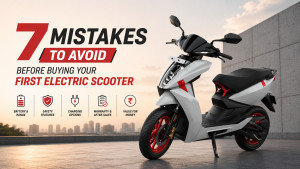 7 Mistakes to Avoid Before Buying Your First Electric Scooter