Disc brakes are always preferred to drum brakes at least on the front wheels because of the greater magnitude of stopping power.
Disc brakes are two part system; a disc or rotor as one part and brake caliper assemblies as the other part. On the other hand the conventional drum brake system consists of drum and the brake shoes.
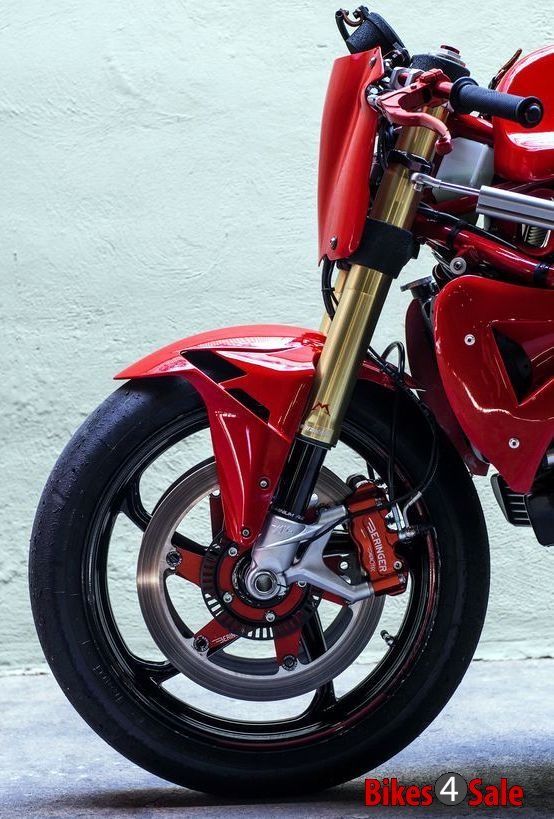
It is the caliper assemblies that consist of hydraulic pistons which push against the brake pads generating more friction to stop the vehicle. However, conventional braking system loses its effectiveness under high braking conditions as brake components get saturated with too much heat and hence lose the capability to halt the vehicle. This is not a thing with the disc brakes as the rotors are fully exposed to air, and so heat is not accumulated and cooling of the components is faster and easier than in the conventional drum braking system.
Disc brakes have shorter response time, so bike can halt immediately even if it is running at high speeds with same braking torque in comparison to drum brakes.
Again, disc brakes are suitable in almost all kinds of road conditions unlike drum brake system; the brakes fail under undulated terrain and mountainous terrains.
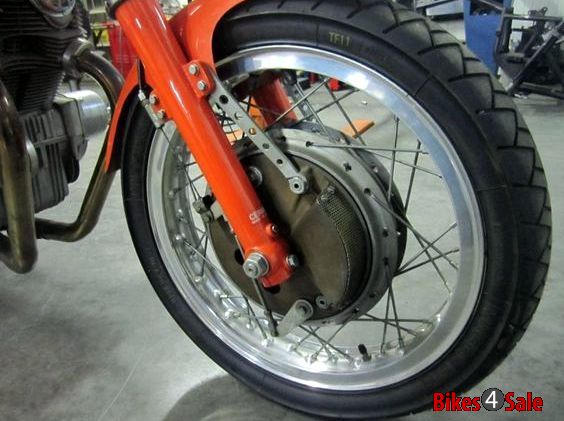
Again, in muddy roads and wet conditions disc brakes perform far better for it is mostly hydraulic and also because the centrifugal force in disc brakes fling water away from the disc brakes so there is no pooling of water around brake discs and they are kept dry. However, drum brakes will eventually collect water inside the drum surface which eventually become very difficult for riders to ride in wet conditions.
Disc brakes require few tweaks now and then and then calls for less maintenance in comparison to the drum brakes.

 Best Dirt Bikes In India - 2023 List
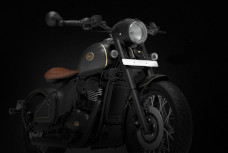
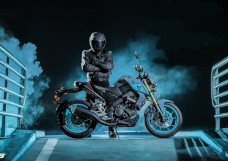
 Brixton Motorcycles to Launch Customized Bikes in India with New Manufacturing Plant
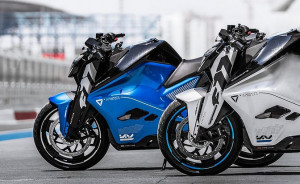 2024 Ultraviolette F77 Mach 2 Launched with Enhanced Features and Extended Range
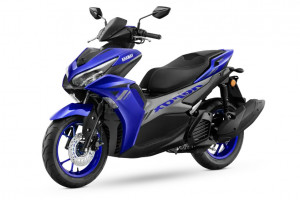 Yamaha Unveils Aerox 155 Version S: Smart Key Ignition & More at 1.51 Lakh


Der is much chance f skidng is ven u apply disc brake hardr on turns n u r in sped too.